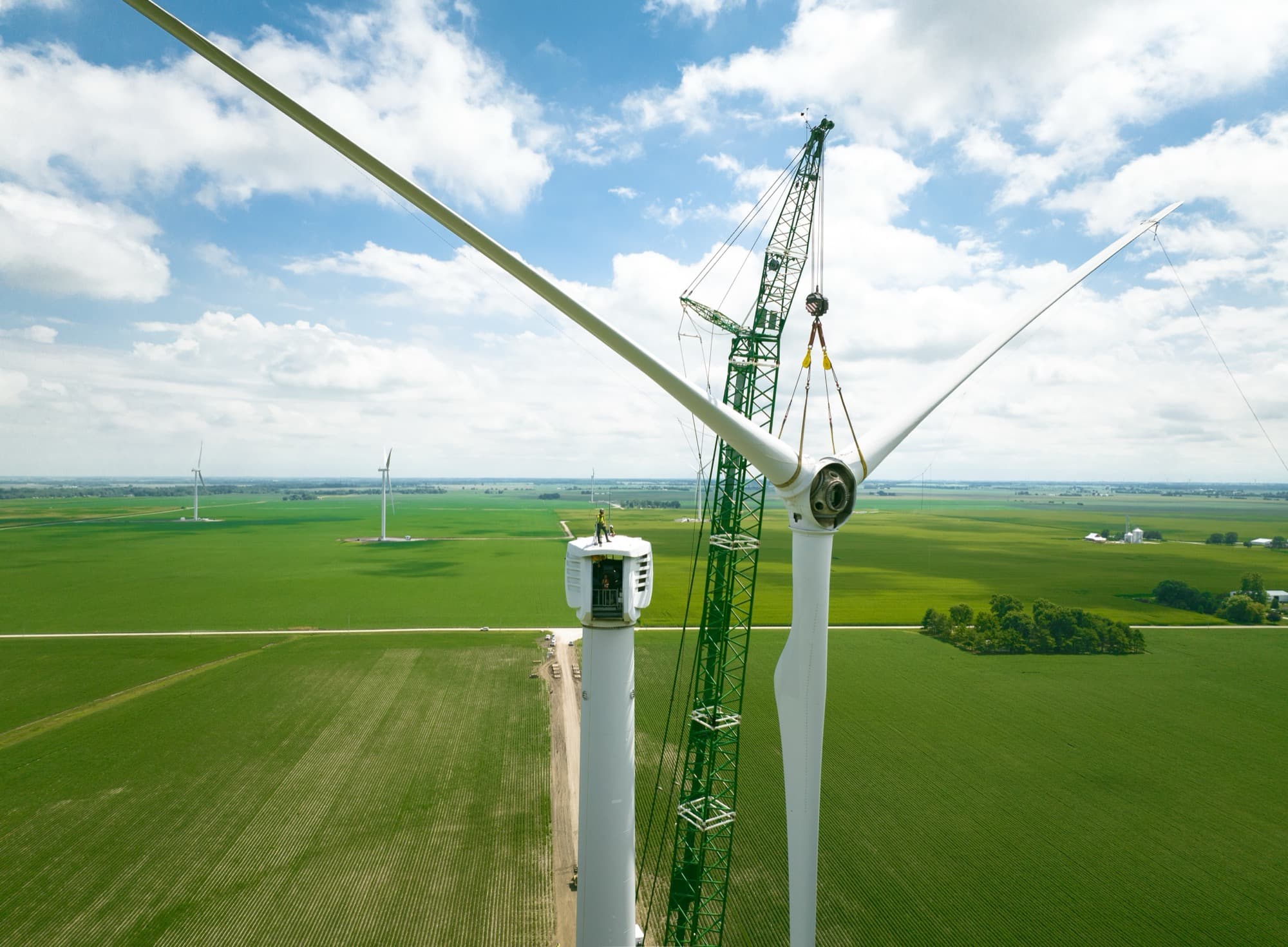
Walk onto a modern water facility floor, an automated fabrication bay, or a regional compression yard, and the most valuable work in the building is almost completely invisible—running quietly inside open, software-defined control logic, telemetry loops, and experienced operator judgment.
Yet when industrial teams try to put those systems on camera, productions almost always fall into one of two traps: flat wide shots of grey enclosures that explain nothing to a buyer, or synthetic sci-fi overlays that working engineers dismiss in three seconds.
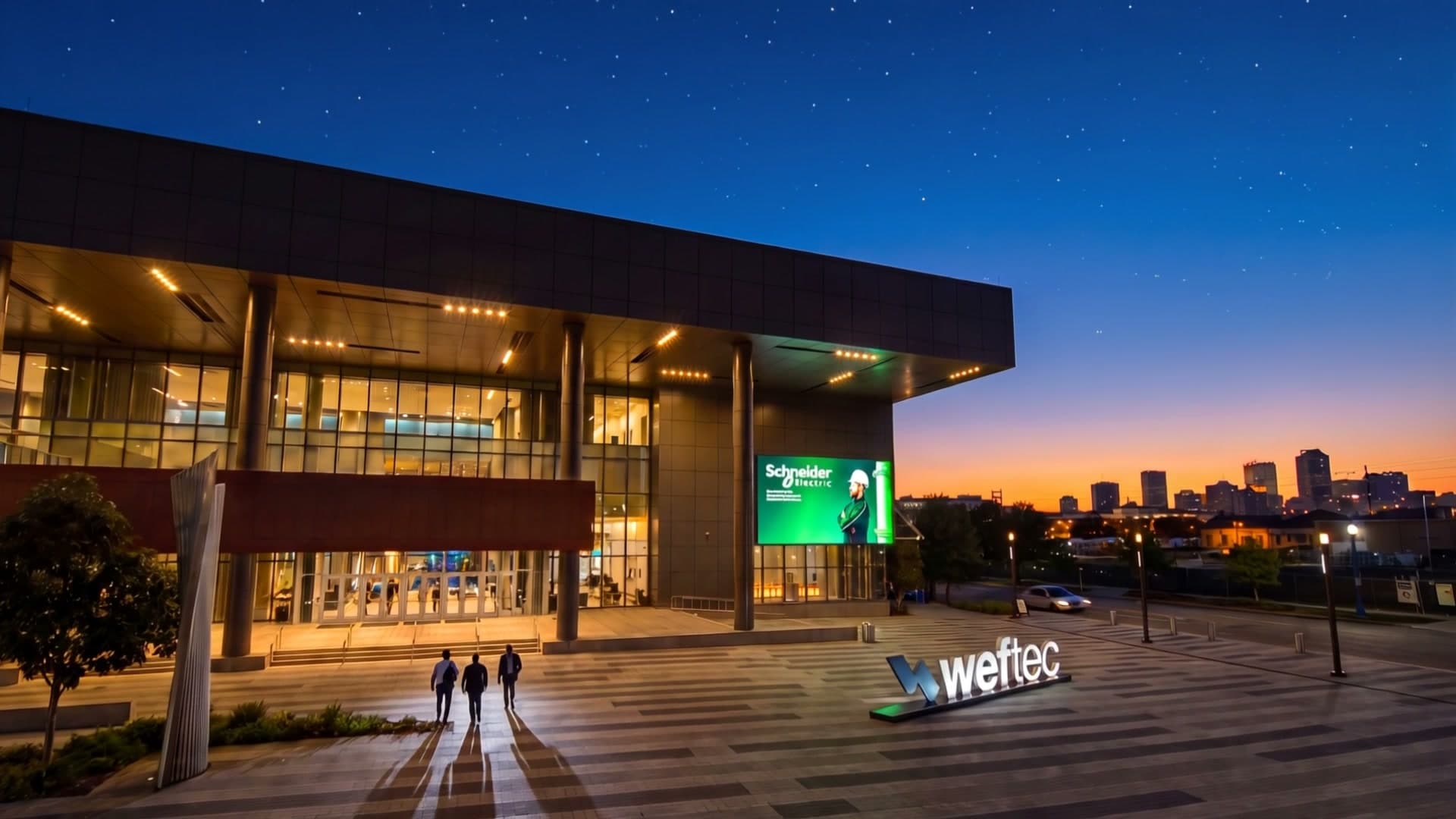
Across field productions with Schneider Electric at WEFTEC, CITGO Petroleum, Kodiak Gas Services, and Conexon, we found the discipline that makes complex systems clear: film the human decision at the edge of the hardware, keep optics honest in real location daylight, and verify every technical frame with the people who run the system.
Chapter 01 · The Paradox of Uptime
When Automation Succeeds, Nothing Dramatic Happens
Cinema instincts were trained on visible conflict, whereas industrial engineering is dedicated to eliminating surprises. A well-tuned municipal plant or compression fleet hums along without sparks, alarms, or heroics.
Instead of manufacturing false drama, anchor the opening thirty seconds in the stakes of reliability: how many households depend on a utility corridor staying online, what an hour of unplanned downtime costs a plant, or how many micro-adjustments a control architecture resolves every shift.
Once a viewer understands the weight of quiet uptime, a calm control screen or valve actuator becomes compelling—provided the hardware on screen is genuinely accurate.
“In industrial operations, quiet is not absence of story; quiet is proof that a thousand upstream decisions worked.”
Chapter 02 · Hardware Accuracy
Engineers Read Background Hardware Like Headlines
Nothing erodes technical authority faster than pairing a voiceover about next-generation software-defined automation with footage of a legacy controller or mismatched cabinet.
At WEFTEC 2026 with Schneider Electric, capturing Green Stage discussions alongside live EcoStruxure Automation Expert demonstrations meant respecting the exact hardware, software interfaces, and partner configurations engineers actually deploy—filmed in authentic hall and site light rather than artificial color washes.
When 3D or motion graphics enter an industrial film, they should act like a clean cross-section that clarifies physical flow or system topology, never decorative HUD clutter.
Chapter 03 · The Human Hinge
Every Automated System Still Meets a Human Hand
Software-defined control does not remove human craft from industrial work; it elevates the decisions operators, linemen, and technicians make when telemetry meets weather, steel, and live loads.
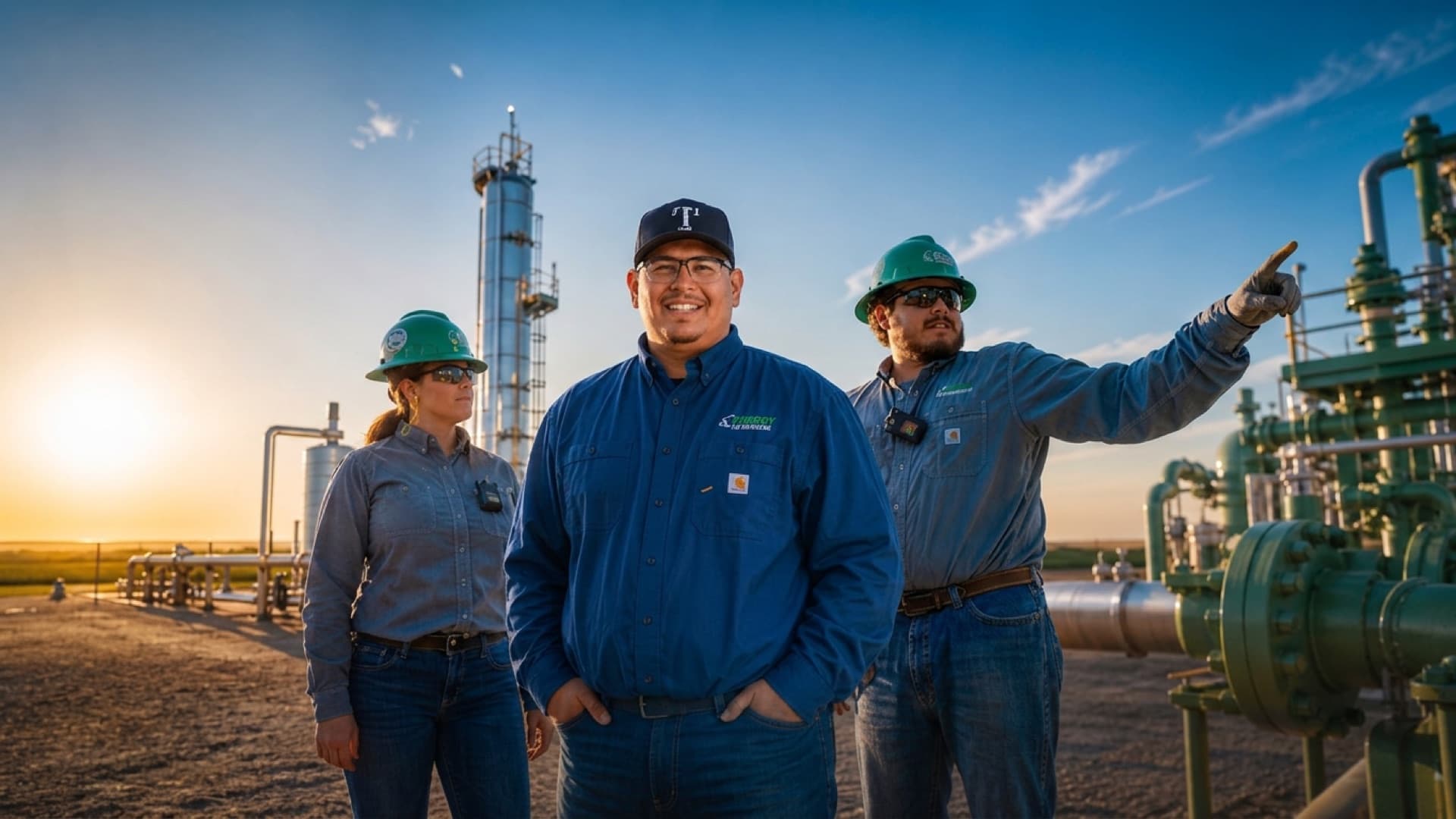
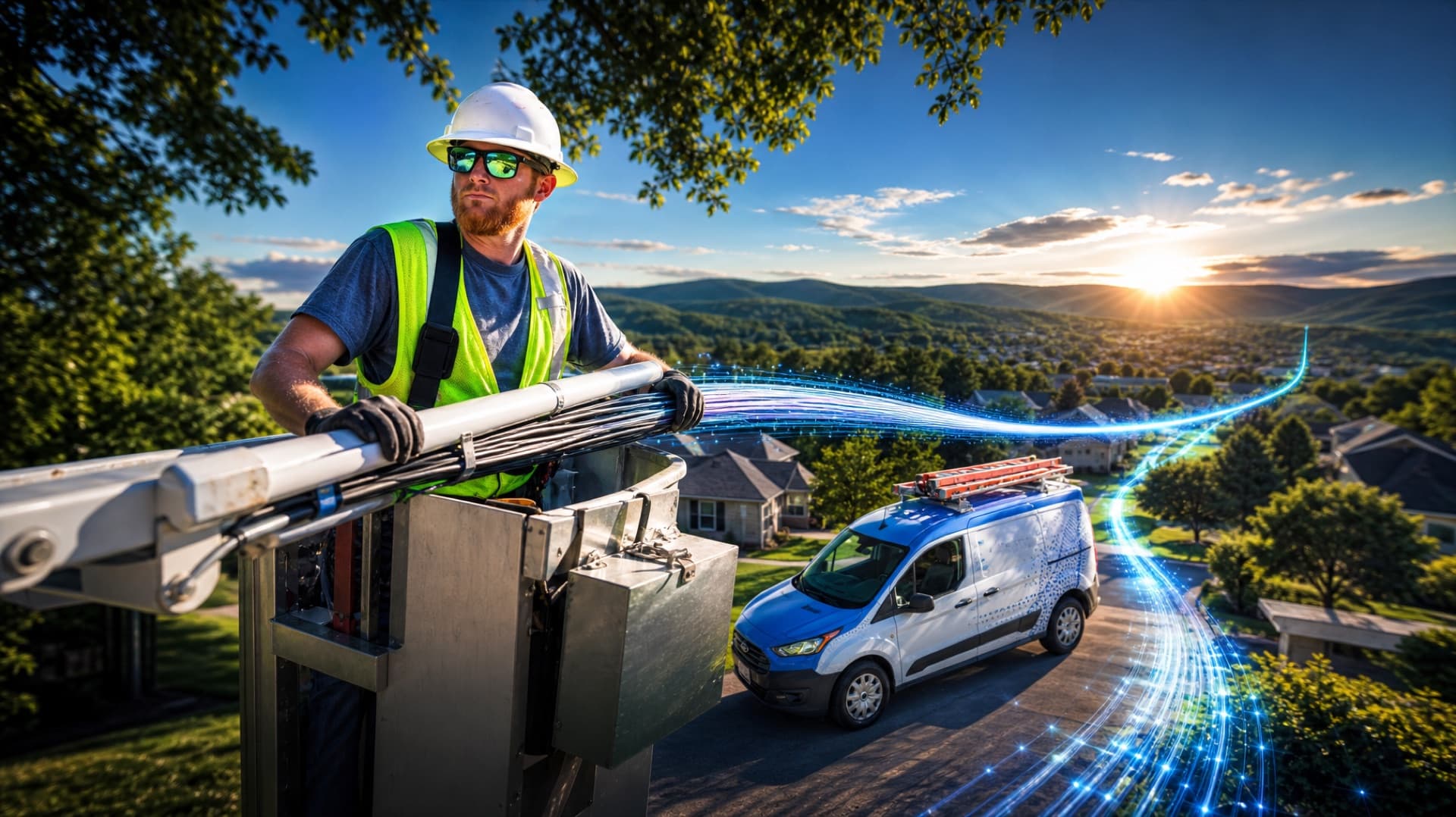
In CITGO Petroleum's nine-episode Life Critical Rules series, clear visual rule systems met real unit operators explaining how field judgment protects crews. Across Kodiak Gas Services' compression yards and Conexon's rural electric-cooperative fiber builds, showing technicians diagnosing, splicing, and verifying equipment made abstract reliability tangible.
When buyers and boards see capable people working alongside modern tooling, both the technology and the organization earn immediate trust—setting up the review step where most technical films stumble.
“Show the operator who trusts the instrument, and the audience will trust the engineering behind both.”
Chapter 04 · Frame-Pinned Verification
Let Controls and HSE Leads Audit Every Frame
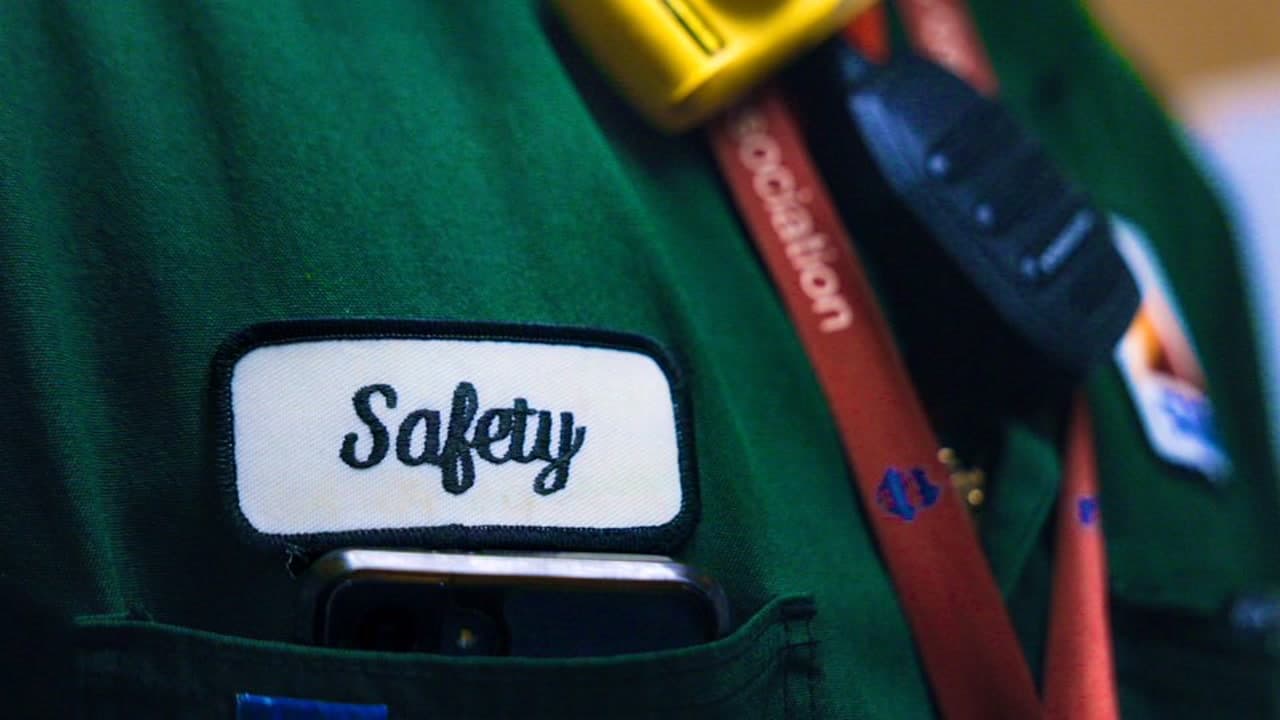
A single imprecise term in a lower-third, an uncalibrated gauge, or a background PPE oversight will derail an engineering review faster than any edit choice.
Routing rough cuts through scattered email threads or generic third-party review software forces subject-matter experts to type manual timecodes and guess whether their note was addressed. Inside Co-VideoPro, controls engineers, HSE specialists, and communications leads pin feedback directly to the exact frame and version.
Conflicting stakeholder notes are synthesized into clear, human-approved editorial decisions before final master lock—so technical rigor and release speed reinforce each other.
Chapter 05 · Working Deliverables
Turn Complex Field Capture Into Year-Round Operating Assets
Once a crew has cleared site safety and captured authentic operations, one flagship edit is only the starting line.
Structure post-production so the same verified footage ships as a 2–3 minute narrative for capital boards and executive buyers, captioned architecture loops for trade show demo pods, and modular training or sales-engineering chapters.
When pre-production, field capture, and Co-VideoPro review run as one connected discipline, your hardest engineering work becomes your clearest commercial advantage.